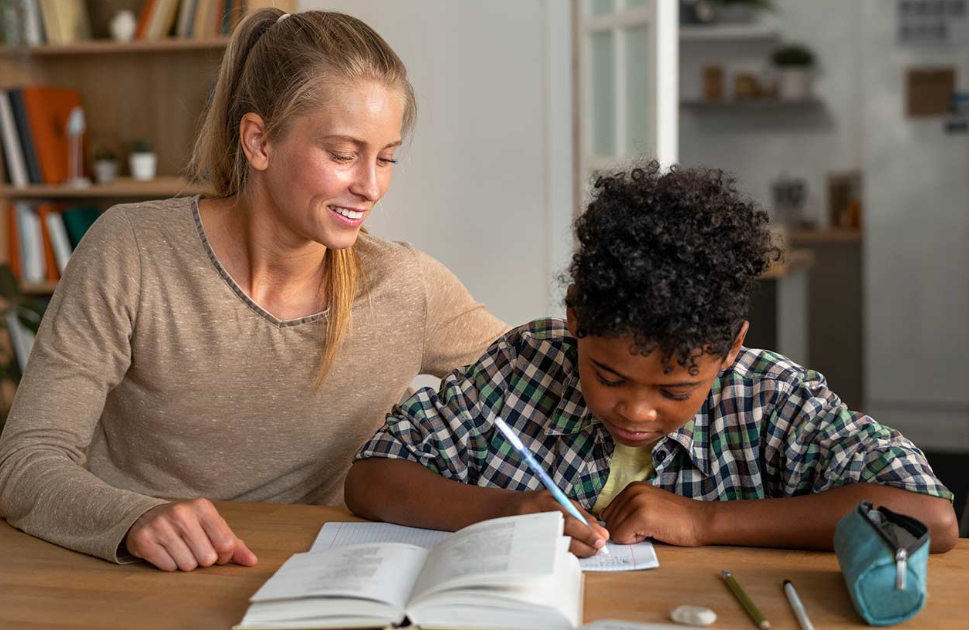

One of the most persistent challenges of classroom education is its structural inability to accommodate the full range of learning styles that any group of students brings to the room. Teachers do their best to vary their approaches, but when managing twenty-five or thirty students with a fixed schedule and curriculum, genuine differentiation is extremely difficult to achieve consistently. At-home tutoring offers a fundamentally different possibility.
Every Student Learns Differently
Families seeking at-home tutoring in Fremont are often motivated in part by the sense that their child’s particular way of learning is not being effectively served by classroom instruction. Whether that manifests as a child who needs extensive visual support, one who learns best by doing and manipulating concrete objects, one who needs extended time to process before responding, or one who grasps abstract concepts quickly but struggles with routine practice — these individual characteristics matter enormously for how instruction should be delivered.
An in-home tutor has the luxury of paying close attention to these characteristics and adapting their approach accordingly. They can draw diagrams for visual learners, use hands-on materials for kinesthetic learners, provide extended wait time for reflective processors, and adjust the pace and complexity of content dynamically based on real-time observation of how the student is engaging.
See also: Digital Tailoring and Fashion Technology
Identifying Learning Style Through Observation
A skilled at-home tutor does not simply ask a student which learning style they prefer — most students don’t know. Instead, they gather information through careful observation during the first several sessions. They note which types of explanations produce understanding and which produce confusion. They observe what the student does when stuck — whether they reach for a pencil, ask a question, or shut down entirely. They pay attention to what kinds of practice produce mastery versus frustration.
This observational assessment allows the tutor to build an increasingly accurate picture of how the individual student learns best, and to adjust their instructional approach accordingly. This kind of personalized pedagogical responsiveness is simply not possible in group settings — it requires the undivided attention and intimate knowledge that develops in an ongoing one-on-one tutoring relationship.
Accommodating Special Learning Needs
At-home tutoring is particularly valuable for students with learning differences such as dyslexia, ADHD, processing disorders, or anxiety-related challenges. These students often need instructional approaches that diverge significantly from standard classroom practice, and they benefit enormously from a consistent, patient, and knowledgeable tutor who understands their specific profile and can tailor every aspect of instruction to serve their needs.
Local at-home tutors in Fremont who have experience with specific learning differences bring specialized knowledge that generic tutoring platforms often cannot provide. If your child has a diagnosed learning difference or you suspect one, finding a tutor with documented experience in that specific area is worth prioritizing above almost any other criterion.
Meeting Every Student Where They Are
The core promise of at-home tutoring is not that it provides a better version of the same instruction your child gets in school. It is that it provides genuinely different instruction — instruction that starts from where your specific child actually is, moves at the pace your specific child actually needs, and uses the approaches that work specifically for your child’s brain. That customization is the source of at-home tutoring’s power.