

A good carpet is one of the best investments for your home, and maintaining its original depth of colour is how you’ll keep your rooms looking fresh and well cared for.
Over time, however, many homeowners notice their carpets losing their rich hues and developing unsightly pale patches. Eventually, they’re taking on a washed-out, aged appearance long before the end of their expected lifespan.
This almost always happens because homeowners make certain common mistakes. Luckily, some of them are quite fixable, but it’s always best to know what not to do.
So, here are the top 7 factors that strip carpets of their good looks, so you can avoid them and protect your carpets to the fullest extent.
1. Exposing Carpets To Direct Unfiltered Sunlight
Solar rays are one of the most aggressive environmental causes of premature carpet discolouration.
Ultraviolet (UV) rays, as well as infrared light, penetrate the windows and initiate a chemical reaction known as photodegradation.
During this process, UV energy breaks down the molecular bonds of the chemical dyes bound to the textile fibres, causing vibrant tones to bleach and fade into dull yellow or greyish hues.
Rooms with large bay windows, south-facing lounge setups, and glass conservatories are particularly vulnerable to this form of solar bleaching.
The damage occurs gradually over months, often going unnoticed until furniture is moved, revealing a dramatic contrast between protected and exposed areas.
To mitigate the effect of solar fading, draw sheer curtains or close Venetian blinds during peak afternoon sunshine, or consider applying UV-filtering window films.
Rotating rug positions periodically also helps distribute sun exposure evenly across the room.
2. Overusing Harsh Chemical Cleaners And Bleach
When spills or muddy footprint stains occur, many homeowners impulsively reach for off-the-shelf spot removers or multi-surface household cleaners.
Unfortunately, many generic commercial formulas contain harsh solvents, optical brighteners, or strong alkaline compounds, which are designed for hard surfaces rather than for textile dyes.
Using these aggressive agents can strip the pigment directly out of carpet fibres, leaving permanent pale spots that always look worse than the original stain.
Chlorinated bleach products or hydrogen peroxide-based solutions are especially destructive to natural wool and nylon fibres, chemically altering dye molecules beyond repair.
Furthermore, failing to thoroughly rinse away chemical residues leaves alkaline deposits that continue to react with ambient light and atmospheric gases, accelerating colour breakdown.
Always opt for pH-neutral carpet spot cleaners formulated for your carpet fibre type, and test new products on an inconspicuous corner before spot-treating visible areas.
3. Over-Wetting Carpets During DIY Cleaning
Renting a portable carpet-washing machine for weekend deep cleaning is a popular option for British households, but amateur operation often leads to severe oversaturation.
Flooding the carpet pile with excessive water and detergent solution creates multiple issues that directly impact colour retention.
When the underlying primary backing or latex layer becomes saturated, dyes from natural jute backings can dissolve and wick upward through the face fibres in a process known as cellulosic browning.
This leaves dark yellow or brown waterlines that permanently discolour the surface.
Excess moisture also leaves heavy soap residues which get trapped deep within the pile. As these sticky residues dry, they act as a magnet for airborne dust and dirt, creating a dingy, muted film over the entire carpet.
To avoid water-induced fading, use carpet cleaning machines sparingly, ensure thorough extraction passes, and allow adequate ventilation for rapid drying.
4. Rubbing Stains Aggressively Instead Of Blotting
When a liquid spills, the immediate impulse is often to scrub the affected area vigorously with a wet towel or a stiff-bristled brush. Aggressive scrubbing is one of the quickest ways to ruin the appearance of carpet fibres.
The friction generated by heavy rubbing damages the structural integrity of individual yarn tufts, causing the tips to fray, untwist, and bloom—a phenomenon known as fuzzing.
Damaged, frayed fibres reflect ambient room light differently than smooth, intact pile, creating a light-refracting patch that appears pale, fuzzy, and faded.
Even if the original liquid dye stain is removed, the carpet’s physical texture is permanently altered, creating the visual illusion of a faded spot.
The correct response to any liquid spill is gentle blotting with a clean, white microfibre cloth, working slowly from the outside edges toward the centre to prevent spreading without damaging the carpet structure.
See also: How Custom NetSuite Development Helps Businesses Build a More Scalable ERP
5. Neglecting Regular Deep Dust Vacuuming
Failing to vacuum carpets regularly might seem like a cosmetic issue, but embedded dry soil is actually a primary physical driver of colour dullness and fibre degradation.
Everyday footfall tracks fine quartz dust, sand, and atmospheric particulates deep into the carpet base.
Under the pressure of walking, these microscopic, sharp-edged soil particles act like fine sandpaper, continuously scratching and abrading the outer surface of the carpet fibres.
As the fibre’s smooth protective coating is scratched and worn away, it loses its light-reflecting properties, causing the carpet to look dull, grey, and prematurely aged.
Furthermore, accumulated dust forms a dark layer beneath the pile, obscuring the textile’s true colour.
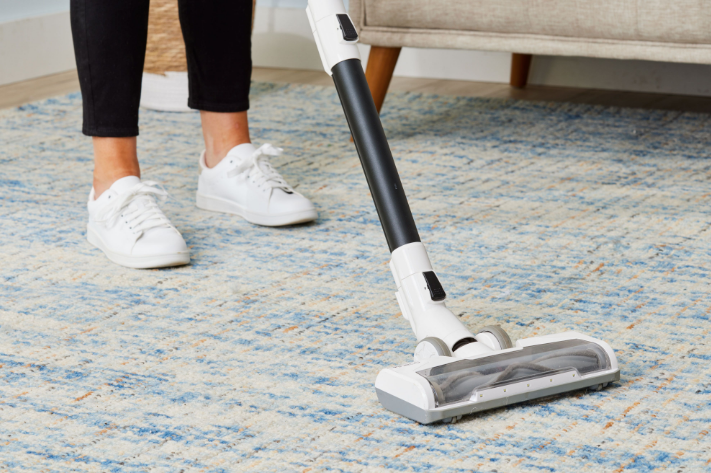
Investing in a high-quality vacuum cleaner equipped with a rotating brush bar and a HEPA filter ensures deep-seated soil is lifted before it can physically abrade and dull the pile.
6. Applying The Wrong Heat Settings During Extraction
Hot water extraction is widely regarded as the gold standard for deep-cleaning carpets, but excessively high water temperatures can backfire on sensitive textiles.
Modern synthetic carpets, particularly those treated with stain-resistant fluorochemical coatings, can suffer thermal damage when exposed to steam or boiling water.
Excessive heat can weaken heat-set twist patterns, cause fibre distortion, and strip protective stain shields, leaving the carpet far more susceptible to future discolouration.
Additionally, natural wool fibres and delicate dye formulations can bleed or fade when exposed to extreme thermal conditions.
Prior to undertaking DIY hot water extraction, always verify the temperature threshold specified by the carpet manufacturer. Opting for warm water rather than boiling water safeguards both the underlying dye structures and synthetic protective coatings.
7. Delaying Professional Stain Removal Treatments
Ignoring spills or attempting quick surface wipes on complex stains—such as red wine, coffee, tea, fruit juice, or pet accidents—allows organic acids and dark tannins to settle deep into the carpet matrix.
Over time, these acidic compounds chemically interact with textile dyes, permanently altering or bleaching the original pigment.
Furthermore, atmospheric oxidation fixes the stain into the fibre structure, making your subsequent removal attempts far more likely to cause dye stripping or colour loss.
That’s why, if you’re facing stubborn discolourations or delicate fibres, booking professional rug cleaners in Guildford ensures that specialised solutions and calibrated equipment restore the vibrancy without risking any dye damage.
Experienced specialists will assess the fibre composition, pH balance, and dye stability before applying targeted neutralising agents that safely lift discolouration without degrading the surrounding carpet tone.
The result will be satisfying and, most importantly, your rugs will be clean and protected!
Conclusion
Now that you know these 7 mistakes, you can easily avoid them and protect your carpets!
Just remember that sound strategy and quick action are your best friends when it comes to protecting your floor coverings.
Respecting the delicate chemistry of carpet dyes is what will ensure your carpets remain in great condition and visually appealing for many years to come!

