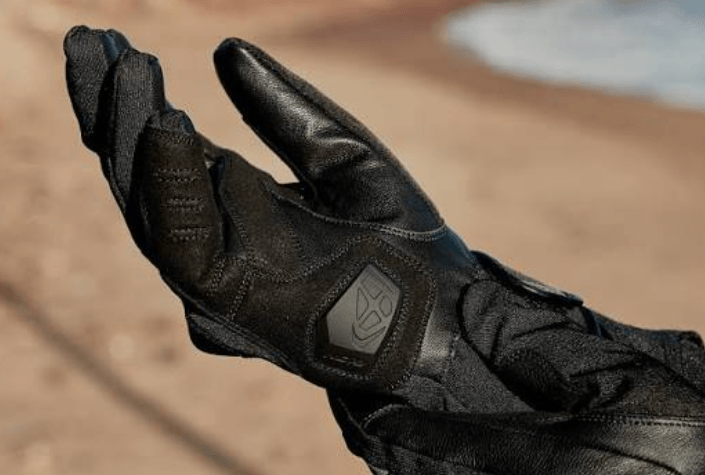

Motorcycle riders often spend a lot of time thinking about helmets, jackets, vests, boots, and the bike itself. These pieces are important, but gloves deserve just as much attention. A rider’s hands are involved in almost everything that happens on the road. Throttle control, clutch use, braking, signaling, handlebar grip, and small adjustments all depend on the hands working comfortably and confidently.
This is why riding gloves matter. They are not just accessories, and they are not only for cold weather. A good pair of gloves can improve grip, reduce fatigue, add comfort during long rides, and help riders feel more in control. Whether someone rides a cruiser, touring bike, sport bike, or everyday motorcycle, gloves are one of the most useful pieces of riding apparel.
For American riders who spend time on city streets, open highways, backroads, and weekend routes, gloves can make a noticeable difference. They help riders manage different temperatures, reduce discomfort from wind, and maintain a steady connection with the motorcycle. Small details like palm material, finger movement, wrist closure, and seasonal fit can affect the entire riding experience.
Hands Are Always Working on a Motorcycle
Unlike driving a car, riding a motorcycle requires constant hand involvement. The right hand controls the throttle and front brake. The left hand works the clutch on most motorcycles. Both hands help steer, stabilize, and respond to road conditions. Even small movements matter.
Because the hands are constantly active, any discomfort can quickly become distracting. Cold fingers, sweaty palms, weak grip, stiff gloves, or pressure points can affect how the rider feels. A short ride may hide these issues, but longer rides reveal them quickly.
Riding gloves help create a better connection between the rider and the bike. They provide a more secure grip on the handlebars and controls. They can also reduce friction and hand strain, especially during longer rides.
Experienced riders understand that comfort in the hands affects overall road confidence. If the hands feel tired or uncomfortable, the ride becomes less enjoyable. Gloves help support one of the most important contact points between rider and machine.
Grip Is One of the Biggest Benefits
Grip is one of the main reasons riders wear gloves. Motorcycle controls require steady hand placement and precise movement. A bare hand may feel fine in ideal weather, but real riding conditions are not always ideal. Sweat, wind, rain, cold air, vibration, and long hours can all affect grip.
A good pair of motorcycle gloves can help riders maintain better contact with the handlebars and controls. The palm material, stitching, and fit all influence how secure the grip feels. Riders should look for gloves that allow control without feeling slippery, bulky, or stiff.
Grip is especially important during stop-and-go city riding, highway cruising, and turns. The rider needs to manage throttle smoothly, use the brake accurately, and keep the hands steady. If gloves are too loose, they may shift around. If they are too tight, they may reduce comfort and movement.
Good grip does not mean the gloves need to feel heavy. The best gloves provide a stable hold while still allowing natural hand movement. Riders should feel connected to the bike, not separated from it.
Comfort During Long Rides
Comfort becomes more important the longer the ride lasts. A pair of gloves that feels acceptable for ten minutes may become uncomfortable after an hour. Pressure points, seams, stiffness, and poor fit can all lead to hand fatigue.
Riders who spend time on highways or weekend routes should pay attention to how gloves feel over time. The fingers should move naturally. The palms should not bunch. The wrist closure should feel secure without cutting into the skin. The material should feel comfortable against the hand.
Hand fatigue can affect the entire ride. If the rider keeps adjusting gloves or shaking out hands at stops, the gloves may not be the right fit. Comfortable gloves help reduce distractions and allow the rider to focus more on the road.
Some riders prefer leather gloves because they can soften and shape to the hands with use. Others choose gloves based on weather, airflow, or specific riding conditions. The best choice depends on the rider’s habits, but comfort should always be a priority.
Road Control and Confidence
Road control is not only about the motorcycle itself. It is also about how confidently the rider can operate the controls. Gloves play a role because they affect the feel of the throttle, brake, clutch, and handlebar grip.
If gloves are too bulky, the rider may lose sensitivity. If they are too thin or poorly fitted, they may not provide enough comfort. If they slide around, control can feel less precise. The right gloves should allow the rider to operate controls smoothly.
Riders should be able to feel the throttle response and clutch movement clearly. They should also be able to reach switches, signals, and controls without awkward finger movement. This is especially important in traffic or during rides with frequent speed changes.
Good gloves support confidence. When the rider’s hands feel secure and comfortable, every movement feels more natural. This can make city riding, highway cruising, and backroad travel all feel smoother.
Protection From Wind and Weather
Hands are exposed to wind more than many riders realize. At speed, even mild temperatures can feel cooler on the fingers. Cold hands can become stiff, which may affect comfort and control. Wind can also dry out the skin or make longer rides uncomfortable.
Gloves help reduce direct wind exposure. In warm weather, lighter gloves can provide grip and comfort without overheating. In cooler weather, thicker gloves or insulated gloves can help keep hands warm. Some riders keep different pairs for different seasons because one glove may not work perfectly all year.
Rain and humidity can also affect grip. Wet hands may slip more easily on controls. While not every glove is made for wet conditions, choosing the right pair for the weather can help riders stay more comfortable.
Weather changes are common during motorcycle rides. A ride may begin warm and become cool by evening. Gloves help riders prepare for those changes without making the ride more complicated.
Leather Motorcycle Gloves and Their Appeal
Leather has long been popular in motorcycle apparel, and gloves are no exception. Many riders prefer leather motorcycle gloves because they offer a strong mix of grip, comfort, durability, and classic riding style. Leather can feel sturdy while still allowing natural movement once broken in.
One reason riders like leather gloves is the feel. Good leather can shape to the hand over time, making the gloves more comfortable with regular use. Leather also pairs naturally with other motorcycle gear such as jackets, vests, boots, and chaps.
Leather gloves can work for many types of riding, from cruiser routes to weekend trips. Depending on design, some are better for warm weather, while others are made for cooler conditions. Riders should choose based on fit, thickness, lining, and how much airflow or warmth they need.
The appeal of leather is not only practical. It also fits the classic motorcycle look. For riders who value traditional road style, leather gloves complete the outfit while still serving an important function.
Seasonal Glove Choices
No single pair of gloves works perfectly for every season. Riders who ride often may need more than one pair. Warm-weather gloves should feel breathable and flexible. Cooler-weather gloves should provide more coverage and warmth. All-weather gloves may offer a middle option, depending on climate and ride style.
In summer, riders often want gloves that reduce sweating while still providing grip. Lightweight leather gloves, perforated designs, or gloves with breathable panels may be preferred. In fall or early spring, riders may choose thicker leather or lined gloves. In colder weather, insulation becomes more important.
Seasonal choice also depends on where the rider lives. A rider in Florida may need warm-weather gloves most of the year, while a rider in the Midwest may need different gloves for spring, summer, and fall.
The best approach is to match gloves to the real riding environment. Hands should stay comfortable enough for control, whether the ride is hot, cool, short, or long.
Fit Is Critical
Fit is one of the most important factors in choosing riding gloves. Gloves should feel snug but not painfully tight. The fingers should reach the ends without being cramped. The palm should not bunch up when gripping the handlebars. The wrist closure should keep the glove secure without limiting circulation.
Gloves that are too loose can shift during riding, which may affect grip. Gloves that are too tight can cause discomfort, numbness, or fatigue. Poorly fitted gloves can also make it harder to operate controls smoothly.
Riders should test gloves by closing their hands as if gripping handlebars. They should move their fingers, simulate clutch use, and check whether seams press into uncomfortable areas. A glove may feel fine with an open hand but uncomfortable when gripping.
Fit can also change slightly as leather breaks in. Riders should choose gloves that feel secure from the start but allow for natural flexibility.
Wrist Closures and Security
Wrist closure is another feature riders should notice. Gloves should stay in place while riding. If the wrist area is too loose, air can enter or the glove may shift. If it is too tight, it may become uncomfortable.
Common wrist closure styles include snaps, straps, elastic areas, and hook-and-loop closures. The best choice depends on the rider’s preference and glove style. The closure should be easy to use but secure enough for riding.
A good wrist closure also helps with seasonal comfort. In cooler weather, a secure wrist can reduce wind entry. In warmer weather, riders may prefer a closure that feels lighter and less restrictive.
Small details like this affect the overall experience. A glove that stays properly positioned feels more dependable.
Palm Design and Control Feel
The palm is one of the most important parts of a riding glove. It is the area that contacts the handlebar grips most directly. Palm material, thickness, seams, and reinforcement all affect control feel.
A palm that is too thick may reduce sensitivity. A palm that is too thin may feel less durable or comfortable over time. A poorly placed seam can create irritation during longer rides. Riders should look for palm design that feels smooth and secure when gripping.
Some gloves include reinforced palm areas for durability. Others focus on flexibility and comfort. The right choice depends on how the rider uses the motorcycle. Long-distance riders may value comfort and reduced fatigue, while city riders may focus on control and easy movement.
The palm should help the rider feel connected to the bike. It should not interfere with natural throttle, brake, or clutch operation.
Finger Movement and Dexterity
Gloves should allow good finger movement. Riders need to operate levers, switches, signals, helmet straps, keys, and small items during stops. If gloves are too stiff, simple actions can become difficult.
Dexterity is especially important in traffic or during rides with frequent stops. The rider should be able to use controls without thinking too much about the gloves. The fingers should bend naturally and return comfortably.
Leather gloves may require some break-in time, but they should not feel painfully stiff. Gloves with pre-curved fingers or flexible areas may feel more comfortable for some riders.
A good glove balances structure with movement. Riders need enough durability to feel secure and enough flexibility to control the motorcycle naturally.
Gloves for City Riding
City riding involves frequent stops, turns, signals, clutch use, braking, and throttle changes. Gloves for city riding should allow easy hand movement and good control feel. Bulky gloves can become annoying in this setting because the rider uses the controls constantly.
A comfortable fit is especially important in traffic. The rider should be able to operate the clutch and brake smoothly without hand fatigue. Gloves should also be easy to remove and put back on during short stops if needed.
City riders may prefer gloves that are flexible, lightweight, and secure. Storage is not usually a glove feature, but ease of use matters. The gloves should support repeated control inputs without distraction.
Gloves for Highway and Long-Distance Riding
Highway riding creates different demands. The hands may stay in one position for longer periods. Wind exposure is stronger. Vibration and grip pressure may become more noticeable over time. Gloves for highway riding should focus on comfort, durability, and steady grip.
Long-distance riders should pay attention to palm comfort and wrist closure. Gloves that reduce friction and stay secure can make longer rides more comfortable. Seasonal warmth also matters because highway air can feel colder than expected.
For riders who travel for hours, small glove issues can become big annoyances. A seam that rubs, a tight finger, or a loose wrist can affect the ride. Choosing the right gloves helps reduce fatigue and improve comfort mile after mile.
Caring for Riding Gloves
Gloves need care, especially leather gloves. Riders should keep them clean, let them dry naturally if they become damp, and avoid exposing them to strong heat. Leather gloves may benefit from appropriate conditioning depending on the material and use.
Sweat, dust, and road grime can build up over time. Light cleaning can help maintain comfort and appearance. Gloves should also be stored in a dry place where they can keep their shape.
Riders should inspect gloves regularly. Worn stitching, damaged palms, loose closures, or stiff material may indicate it is time for repair or replacement. Since hands are so important during riding, gloves should remain dependable.
See also: 5 Ways Chatbots Are Cutting Support Costs in 2026
Final Thoughts
Riding gloves matter because they support grip, comfort, and road control. They help riders maintain a better connection with the motorcycle, reduce hand fatigue, manage wind and weather, and operate controls with confidence. They may seem like a small piece of gear, but their role is important on every ride.
For American riders who enjoy city routes, highways, weekend trips, and cruiser rides, choosing the right gloves can improve the entire experience. Fit, material, palm design, wrist closure, seasonal use, and comfort all matter.
A good pair of gloves should feel natural, secure, and dependable. When the hands are comfortable and in control, the rider can focus more on the road and enjoy every mile with greater confidence.