
Two milligrams once weekly is the maximum recommended dosage in the current Ozempic prescribing information. The mistakes that cluster at that point are distinctive: confusing one pen strength for another, assembling a larger amount out of more than one injection, and carrying the 2 mg number across to a compounded vial where it means nothing.
Three pen strengths are not three sizes of the same thing
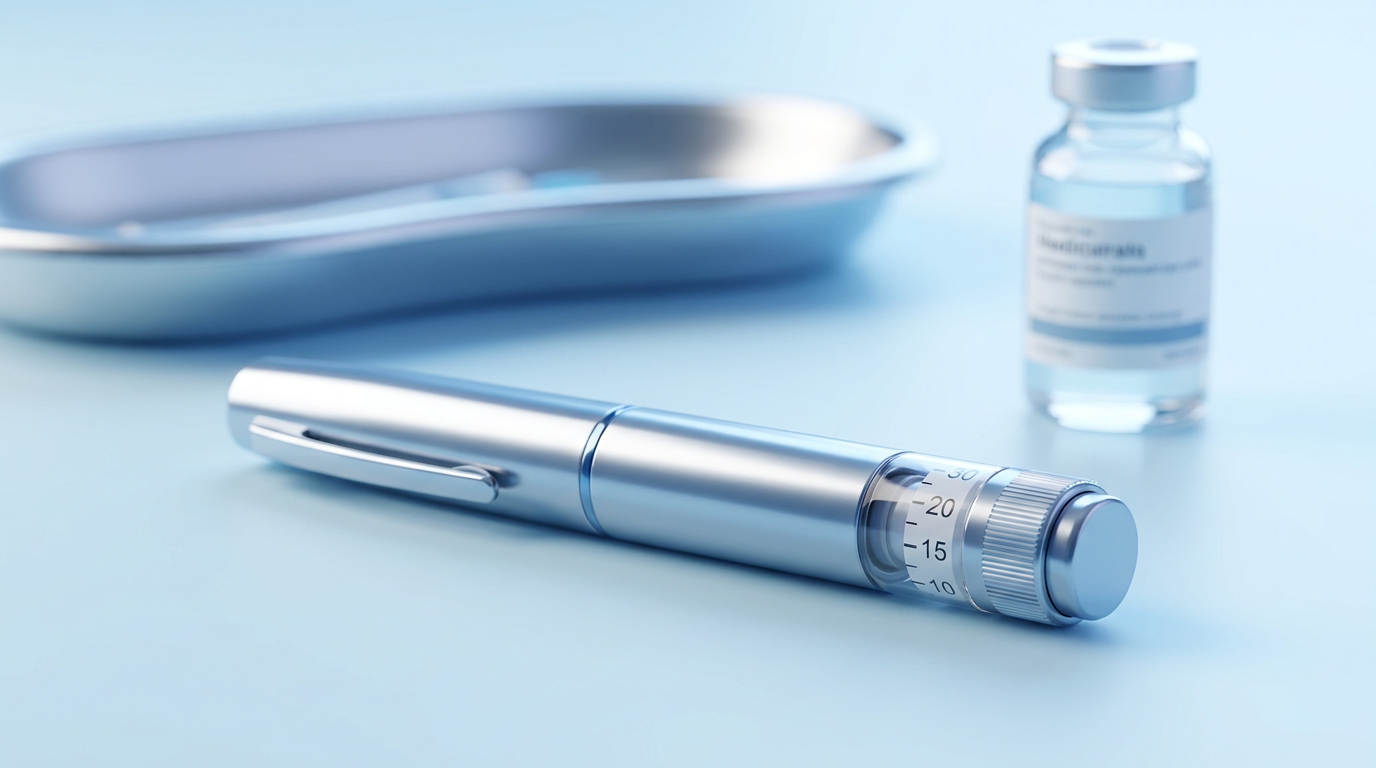
The label lists Ozempic in single-patient-use pens at 2 mg/3 mL, 4 mg/3 mL, and 8 mg/3 mL, which work out to 0.68, 1.34, and 2.68 mg per milliliter. A separate presentation exists as single-dose prefilled syringes. Each pen is built to deliver a defined set of doses and nothing else.
That structure is the source of a recurring misunderstanding. Somebody reaching the top step assumes an older pen still in the refrigerator can simply be turned further. It cannot. The 2 mg weekly dose is delivered by the 8 mg/3 mL pen, and the device holding a weaker concentration has no setting that produces it. Dialing a lower-strength pen to its own highest position produces the dose that device was designed for, not the one printed on a newer prescription.
The reverse error is quieter and more common. A patient stepping down for tolerability keeps using the stronger pen because it is the one on hand, and every injection then delivers more than the prescriber intended. Neither situation is solved with arithmetic. Both are dispensing questions, and pharmacies resolve them in a phone call.
Stacking is the error the ceiling invites
Once someone is at the labeled maximum, the only way to go higher is to do something the product was not designed for: two injections in a single week, a partly used pen finished on top of a scheduled dose, or a week split into pieces. All of these are outside what the labeling supports, and none of them are decisions that belong to a patient.
Semaglutide has a half-life of roughly one week, so exposure from consecutive injections overlaps rather than clearing between them. The label reflects that in a small, easily missed instruction about scheduling: the day of weekly administration may be changed if needed, but only when at least 48 hours separate two doses. That sentence exists because compressing the interval compresses nothing else, and the drug is still present when the next amount arrives.
The honest framing is that the ceiling is a limit, not a starting bid. Whether a person should be at 2 mg at all, and what happens if that dose is not delivering what was hoped, are questions with real answers, and all of them are worked out with the prescriber who wrote the prescription.
Where a person reads the dose in the first place shapes how often these mix-ups happen. Manufacturer references from LillyDirect and NovoCare publish the pen schedule directly, and telehealth prescribers such as Henry Meds, Ro, and HealthRX post their own Ozempic dosing pages that a patient can hold up against the strength printed on the pharmacy label. Checking the amount and the interval against a named source beats reconstructing them from memory, which is where the stacking errors usually begin.
The 2 mg figure does not travel to a compounded vial
Compounded semaglutide is not an FDA-approved product, and it has no labeled concentration. Each compounding pharmacy sets its own, which means a volume that matches a milligram target at one supplier is wrong at another. Numbers taken from the branded label describe the branded product only.
A case series of calls to a poison control center documented what happens when the two systems get crossed. Patients handed a prescription written in milligrams and a syringe graduated in insulin units received many times the amount intended. A larger pharmacovigilance review of adverse event reports involving compounded GLP-1 products found administration and dosing problems making up a meaningful share of the total, and the Food and Drug Administration has named vial-and-syringe dosing errors specifically in its warnings about unapproved GLP-1 drugs sold for weight loss.
Wegovy numbers belong to a different product
The other frequent mix-up involves two semaglutide products with different labels. Ozempic is indicated for glycemic control in adults with type 2 diabetes, for reducing major adverse cardiovascular events in adults with type 2 diabetes and established cardiovascular disease, and for reducing the risk of sustained eGFR decline, end-stage kidney disease, and cardiovascular death in adults with type 2 diabetes and chronic kidney disease. Wegovy is the semaglutide product for weight management, and its label now covers both an injection and a tablet, with a usual injection maintenance of 2.4 mg once weekly and a tablet maintenance of 25 mg once daily.
Seeing 2.4 or 25 alongside 2 leads people to conclude their own dose is somehow low. It is not the same molecule delivered the same way for the same purpose, and the figures are not interchangeable in either direction.
| Mistake at the top of the range | How it happens | Who sorts it out |
|---|---|---|
| Older pen kept after a strength change | Prescription updated, refrigerator not cleared out | Dispensing pharmacy |
| Two injections inside one week | Attempt to reach or exceed the ceiling | Prescriber, promptly |
| Wegovy figures applied to Ozempic | Both are semaglutide, labels differ | Prescriber or pharmacist |
| Branded milligrams applied to a compounded vial | Concentration varies by pharmacy | Compounding pharmacy label |
| Injection day pulled forward | Travel or schedule change, 48-hour rule missed | Patient and prescriber |
| Overlapping prescriptions from two services | Separate telehealth accounts, no shared record | Prescriber, urgently |
What arrives in the box decides which errors are possible
Access route shapes the risk profile before anything is injected. Manufacturer channels such as NovoCare Pharmacy and LillyDirect ship a branded device with a fixed selector, which removes patient measurement but leaves cost intact. Cash-pay telehealth services including Ro, Hims & Hers, LifeMD, Sesame, and FormBlends vary in what a subscription delivers and at what monthly price, and asking whether the product is a labeled pen or a vial requiring a drawn volume answers more about safety than the headline figure does.
Reporting a suspected error productively
The useful details are narrow. The exact product name and the strength printed on the pharmacy label. What was dialed or drawn, and how it was measured. The timing relative to the previous injection. Any symptoms since, with particular attention to vomiting that will not stop, an inability to keep fluids down, or signs of low blood sugar in anyone also taking insulin or a sulfonylurea.
The Ozempic label directs overdose management toward supportive treatment guided by symptoms and suggests contacting the Poison Help line at 1-800-222-1222 or a medical toxicologist. It also notes that a prolonged period of observation may be needed because of the roughly one-week half-life. Underreporting out of embarrassment is what turns a manageable event into a longer one.
Frequently asked questions
Can a 4 mg/3 mL pen deliver a 2 mg dose?
No. Each Ozempic pen strength is built for a defined set of doses, and the 2 mg weekly dose comes from the 8 mg/3 mL presentation. A device holding a lower concentration has no setting that produces it, and attempting to compensate with extra injections is not a patient-side fix.
Why does the label mention 48 hours between doses?
Because the injection day can legitimately move, but semaglutide clears slowly. The labeling permits a change of weekly day as long as at least two days separate consecutive doses, which prevents a schedule adjustment from turning into two overlapping doses inside a short window.
Does the branded pen eliminate measurement mistakes?
It eliminates the arithmetic, not everything else. Incomplete delivery from releasing the button early, reused needles, storage outside labeled conditions, and holding two prescriptions from separate providers are all still possible with a fixed-dose device.
Is a compounded vial labeled in the same units as the pen?
Not reliably. Compounded preparations are not FDA-approved and have no standardized concentration, so the milligram-per-milliliter figure comes from the individual pharmacy. That is precisely the gap the poison center case reports describe, and it is why borrowed numbers are unsafe.
What should never be adjusted independently?
The amount and the interval. Increasing a dose, adding an injection, or compressing the weekly schedule are prescriber decisions, and the conversation goes better when it starts with an accurate account of what was actually given and when.